Lifecycle Psychology Mapping.
Lifecycle Marketing & Retention Strategy | Behavioral Psychology Case Study
Scope
Client
Duration
Year

/
Challenge
(01)
Retention Begins with Emotion, Not Automation
Most lifecycle communication is timed to funnels and triggers, not to how customers actually feel at different stages of their journey. Existing lifecycle messaging focused on transactional moments, confirmations, reminders, offers, while overlooking emotional states such as hesitation, overwhelm, post-purchase doubt, and nostalgia. As a result, communication felt mechanical and missed opportunities to deepen trust, reinforce value, and encourage long-term engagement.


/
Solution
(02)
Mapping the Emotional Journey
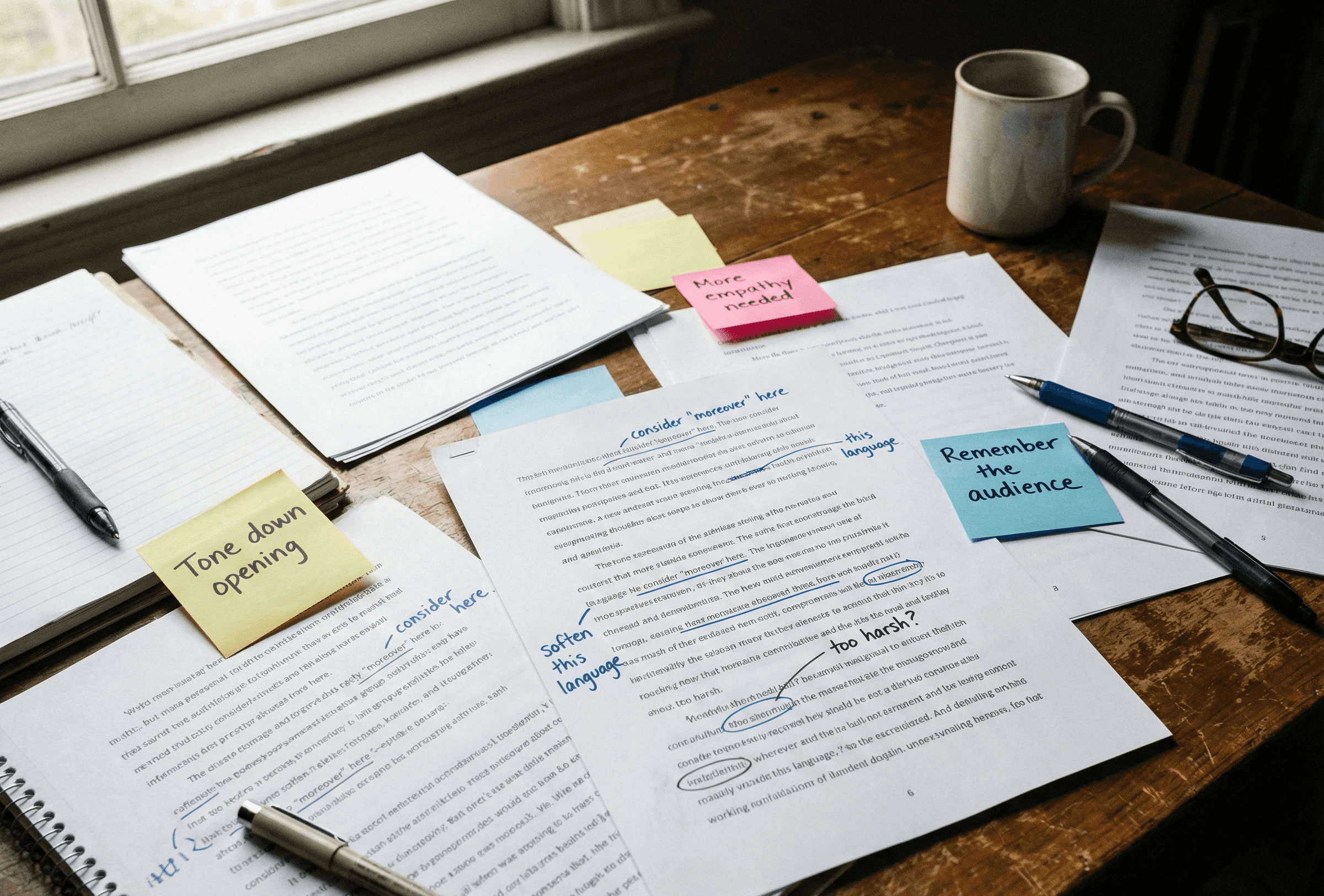
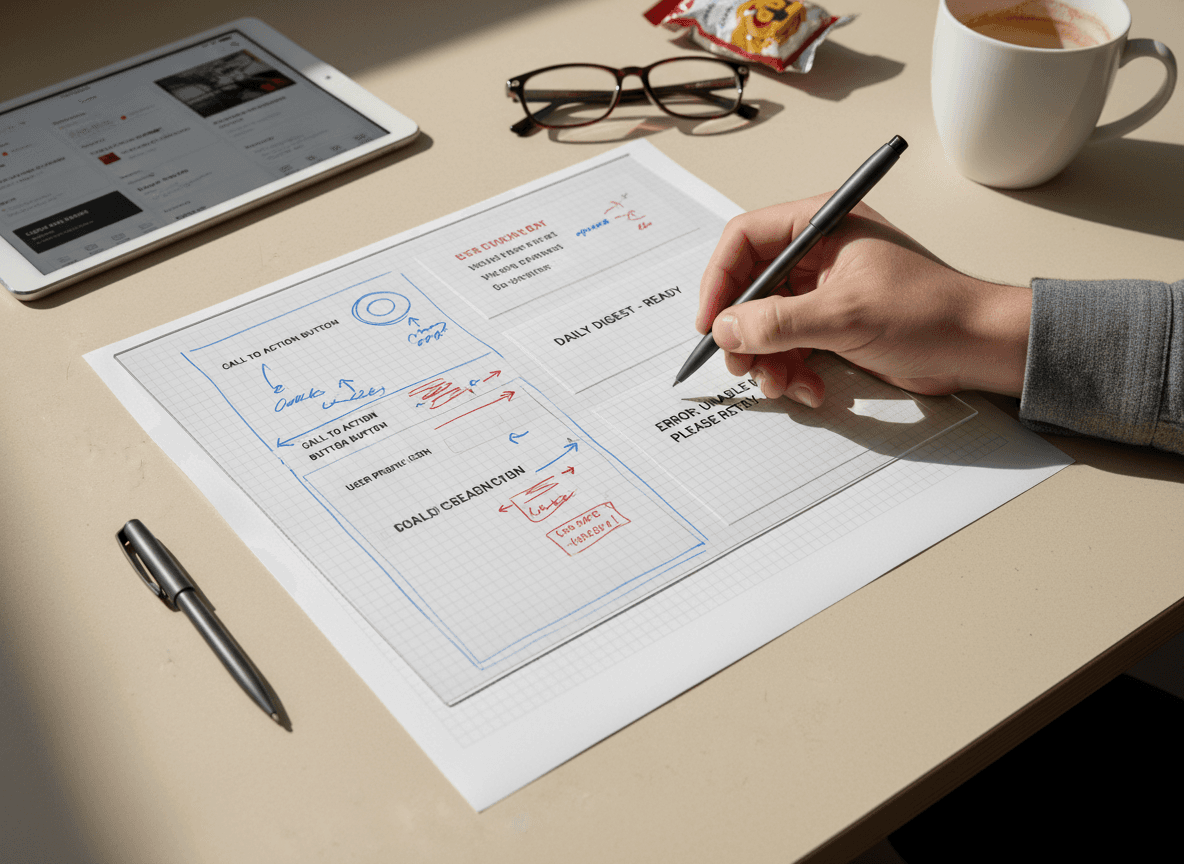
A psychology-led lifecycle framework aligned to emotional readiness rather than calendar timing. I mapped the customer journey across eight emotional stages, identifying dominant motivations, anxieties, and decision barriers at each point. Lifecycle emails and WhatsApp messages were redesigned to respond to emotional context offering reassurance when confidence dipped, reinforcement when motivation peaked, and reflection when loyalty could be strengthened. Messaging shifted from “system-driven” to “human-aware.”
/
Conclusion
(03)
When Customers Feel Understood, They Stay
Emotionally aligned communication strengthened retention and long-term value. The new lifecycle system increased email open rates by 22% and drove an 18% lift in repeat bookings, demonstrating that retention improves when messaging respects emotional timing. This project shows how lifecycle strategy, grounded in psychology, can build lasting relationships not just automated touchpoints.

Latest Projects.
Warisa
A curated selection of projects that reflect our commitment to simplicity and purposeful design.